
How to Choose the Best Video Production Agency in Australia (and Avoid the 7 Common Mistakes)

The right film can become more than a marketing asset. It can become the clearest expression of who you are, what you value and why your work matters.
Choosing a video production agency in Australia is therefore not simply a matter of comparing cameras, crews or day rates. You are choosing a creative partner to enter your business, understand its character and translate it into something your audience can feel.
At HB Media, we believe the best production work begins long before filming. It begins with listening, asking better questions and finding the story beneath the brief.
We don’t just produce polished footage; we preserve meaning, create connection and give your audience a reason to stay with your story.
Start with the story, not the equipment
Before contacting agencies, clarify what you want the video to achieve.
Are you introducing a business to a new audience? Launching a product? Attracting visitors to a destination? Building trust around a property, service or founder? Or documenting an important chapter that deserves to last?
The answer will influence the format.
A short social campaign may need a sharp concept and a series of vertical edits. A brand film may require a deeper narrative arc, carefully developed visual language and a stronger emotional point of view. Documentary video production often needs time, sensitivity and the ability to work naturally with real people rather than relying on a script alone.
Write down:
- Your primary audience
- The purpose of the film
- Where the content will be published
- The action or feeling you want to inspire
- Any important dates, locations or people involved
- The assets you may need beyond the main film
A clear brief does not restrict creativity. It gives creativity somewhere meaningful to go.
What should you look for in a video production agency?
1. Relevant experience
A beautiful showreel is a useful introduction, but it is not the whole story.
Look for work that reflects your industry, audience and desired format. A team that specialises in event highlights may not be the right fit for a considered brand film. A company experienced in product demonstrations may not have the editorial instinct required for documentary work.
Ask to see examples of:
- Brand films
- Interviews and documentaries
- Lifestyle or tourism content
- Property and architectural films
- Campaign cut-downs and social assets
- Work involving real customers, owners or communities
The right agency should be able to explain not only what it made, but why the story was shaped that way.
We don’t just show you attractive images; we show you how those images served a purpose.
2. A clear creative and production process
Professional production should feel considered rather than chaotic.
Ask how the agency approaches briefing, research, scripting, location planning, interviews, filming, editing and approvals. Find out who will be responsible for directing, producing and communicating with you throughout the project.
A strong process may include:
- Discovery and strategic briefing
- Story development and creative direction
- Pre-production, scheduling and location planning
- Filming and interview production
- Editing, sound design, colour grading and review
- Delivery of the agreed master and supporting assets
Good planning creates freedom on the day. It allows the crew to respond to unexpected moments without losing sight of the purpose.
That matters particularly in documentary video production, where the most valuable moments are often found between the planned questions.

3. Strategic thinking beyond the film
A brand film should not exist in isolation.
Before recommending a format, your production partner should want to understand your broader marketing activity, customer journey and distribution plans. The film may live on your website, but it could also support presentations, sales conversations, media outreach, events, LinkedIn, YouTube and social campaigns.
Ask:
- What role will this video play in our marketing?
- Who needs to see it first?
- What supporting content should we create?
- Can the project produce both long-form and short-form assets?
- How will we measure whether it has been useful?
A thoughtful brand storytelling agency will help you connect the film to the wider story of your business.
We don’t just deliver a file; we help create a body of content that can keep working.
4. Quality that serves the subject
High-end production quality is valuable, but technical polish should never overpower the story.
Look for precise cinematography, natural sound, considered lighting, strong editing and colour treatment that feels appropriate to your brand. More importantly, look for restraint. Does the work leave room for a person’s voice? Does it capture atmosphere? Does it make a place feel inhabited rather than staged?
For a tourism operator, that might mean capturing the quiet of early morning, the texture of a local road or the welcome at the end of a journey. For a property, it may mean showing how light moves through a room and how the space feels to occupy.
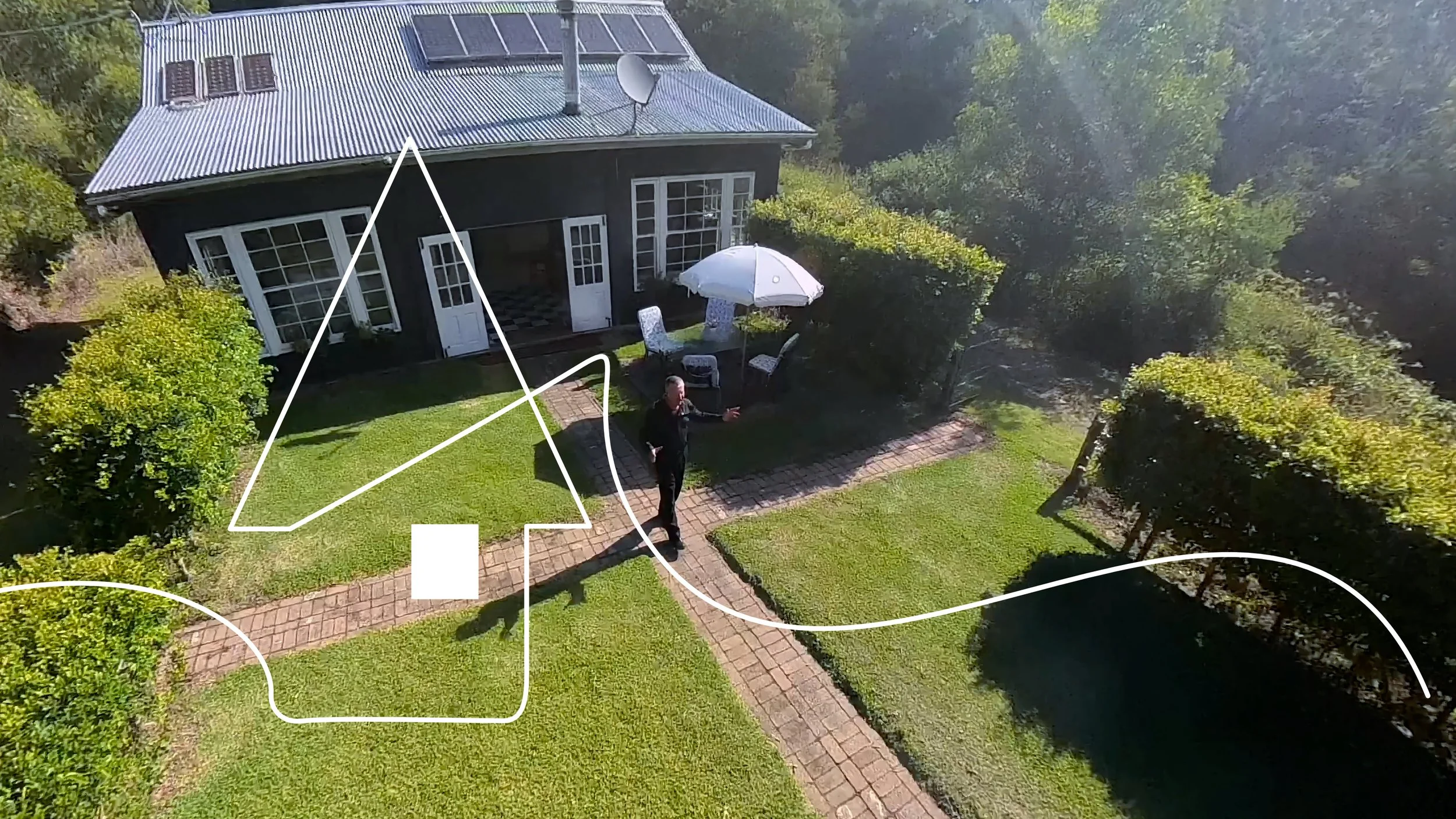
Our work with Narrated Spaces is built around this idea. We don’t just show a property; we help viewers understand its flow, setting and lifestyle.
The seven common mistakes to avoid
Mistake 1: Choosing on the showreel alone
A showreel is designed to impress quickly. It may contain the most dramatic moments from many different projects, but it cannot tell you how an agency thinks, communicates or works with clients.
Watch full examples where possible. Look for narrative, pacing, interview quality and consistency. Ask what the agency personally contributed to each project.
The best partner is not necessarily the one with the flashiest reel. It is the one whose judgement fits your story.
Mistake 2: Starting with the cheapest quote
Price matters, but it should not be the first or only measure.
A lower quote may reflect a smaller crew, less pre-production, fewer filming hours, limited post-production or fewer deliverables. Those trade-offs may be completely appropriate for a simple project, but they should be visible and understood.
Request itemised proposals and compare like with like. Check whether the quote includes:
- Pre-production and creative development
- Crew and equipment
- Travel and accommodation
- Music licensing
- Voiceover or narration
- Subtitles and captions
- Social cut-downs
- Revision rounds
- Usage rights and delivery formats
We don’t just reduce a production to a number; we explain what the investment makes possible.
Mistake 3: Leaving production until the last minute
A rushed production rarely has the space to become its best version.
Allow time for concept development, stakeholder approvals, location access, talent availability, weather considerations and post-production. A straightforward project may take several weeks, while a larger brand film or documentary can require considerably longer.
If your video is tied to a launch, event or campaign, involve your production partner early. The earlier we join the conversation, the more thoughtfully we can shape the journey.
Mistake 4: Briefing the agency too vaguely
“Something cinematic” is a useful starting feeling, but it is not yet a complete brief.
Share examples of films you admire and explain what appeals to you: the pace, tone, use of interviews, sound design, colour, humour or emotional quality. Clarify what you want the audience to understand and remember.
Your references do not need to be from your industry. A tourism business may draw inspiration from an automotive film. A property developer may respond to a documentary about craft or architecture.
The point is not to copy another film. It is to give the creative team a clearer door into your intentions.
Mistake 5: Ignoring distribution and cut-downs
A single hero film can be powerful, but many businesses need a wider content system.
Consider whether the production should also include shorter edits for LinkedIn, Instagram, YouTube Shorts or your website. Vertical clips, stills, subtitles and behind-the-scenes material can extend the life of the shoot and help different audiences encounter the story in the right setting.
At HB Media, our editorial platforms demonstrate this multi-format approach. Australian Car Collector combines cinematic video, interviews and automotive heritage, while Weekend Drives carries stories into a curated editorial environment.
We don’t just make one film; we look for the chapters that can continue beyond it.
Mistake 6: Failing to ask about revisions and ownership
Creative collaboration becomes much easier when expectations are clear.
Ask how many review rounds are included, who consolidates feedback and what happens if the scope changes. Confirm delivery dates, file formats, archival arrangements and usage rights before production begins.
You should also ask whether raw footage is included, how long project files are retained and whether music, talent and location releases have been properly managed.
These questions are not signs of distrust. They are part of a careful production relationship.
Mistake 7: Treating real people like scripted performers
Authenticity cannot be added in post-production.
If your film depends on a founder, customer, collector, designer or community member, choose a team that knows how to create a comfortable environment. The best interviews often emerge when people are given time to think, remember and speak in their own voice.
That requires preparation, empathy and a producer who knows when to ask another question: and when to leave a moment alone.
We don’t just record answers; we create the conditions for genuine stories to surface.
Questions to ask before you choose
When you speak with a potential agency, consider asking:
- What would you want to understand about our business before developing the concept?
- Can you show us work with a similar audience or storytelling challenge?
- Who will lead our project from brief to delivery?
- How do you approach interviews and documentary-style storytelling?
- What is included in the quote?
- How will the film be adapted for different platforms?
- How many revision rounds are included?
- What rights and deliverables will we receive?
- What timeline would you recommend, and why?
The answers will reveal more than a portfolio alone. Listen for curiosity, clarity and a genuine interest in the people behind your business.
Choose a partner who can see the deeper story
The best video production agency in Australia for your project will be the one that understands both the practical brief and the emotional reason behind it.
You may need a brand film, but what you are really trying to do is build trust. You may need a property video, but what you want to communicate is a sense of belonging. You may need documentary video production, but what matters most is preserving a voice, a place or a chapter that should not be lost.
At HB Media, we bring together cinematic production, editorial judgement and strategic thinking to tell stories about Australian businesses, places, people and passions.
If you are considering a film and would like to talk through the right approach, contact us. Bring us the rough idea, the complicated brief or the story that is still waiting to be found.
We’ll sit with it, ask the right questions and help you discover what it can become.